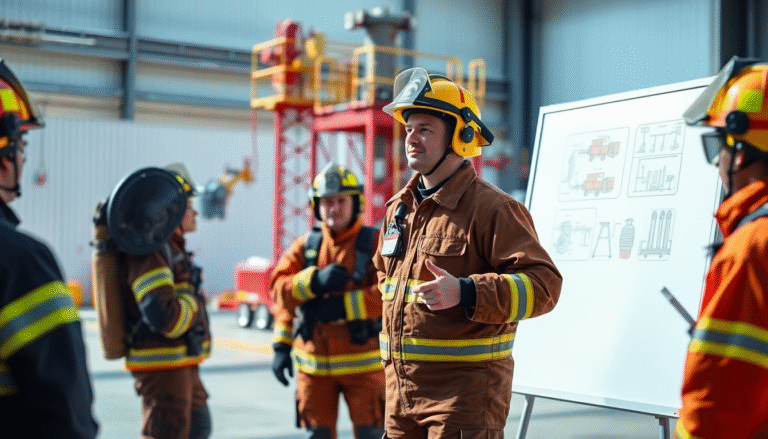

The Caribbean Energy Sector’s Fire Safety Challenge
Trinidad and Tobago, Guyana, and other Caribbean nations depend heavily on energy production, oil, gas, and renewable infrastructure, to drive economic growth. Yet these operations carry inherent fire and explosion risks. Industrial fires, uncontrolled releases, and emergency response failures can devastate operations, communities, and supply chains.
Current fire safety practices across the region often rely on outdated protocols or inconsistent training standards. As energy companies expand operations and face stricter international investment requirements, the gap between local capability and global best practices has become a critical vulnerability.
Why NFPA Alignment Matters for Regional Energy Operations
The National Fire Protection Association (NFPA) develops evidence-based standards used by energy companies, insurers, and regulators worldwide. NFPA-aligned certification demonstrates that your workforce meets internationally recognized competency benchmarks, essential for:
- Meeting insurance and lender requirements for major infrastructure projects
- Ensuring consistency across multi-national energy operations and supply chains
- Building workforce credibility in emergency incident command and response
- Reducing liability exposure and improving underwriting terms
- Strengthening business continuity and crisis management protocols
Core Competencies Caribbean Energy Leaders Need
NFPA-aligned fire safety certification typically covers fire behavior fundamentals, hazardous materials recognition, industrial fire suppression systems, and emergency evacuation procedures. For energy sector workers, this includes:
- Fire dynamics in enclosed industrial spaces: Understanding how fire spreads in pump stations, refineries, and offshore platforms
- Hazmat recognition and isolation: Identifying flammable liquids, gases, and reactive chemicals common in energy operations
- Incident command system (ICS): Structured communication and decision-making during active emergencies
- Equipment operation and maintenance: Fire suppression systems, emergency shutdown procedures, and detection technology specific to energy infrastructure
Trinidad and Guyana-Specific Readiness Gaps
Both nations are ramping up oil and gas production, attracting multinational operators and creating thousands of new jobs. However, rapid workforce expansion often outpaces formal safety training. Many workers enter high-risk roles with basic safety knowledge but lack formal NFPA certification or equivalent standards recognition.
In addition, Caribbean climate challenges, hurricanes, tropical heat, and salt-air corrosion, stress fire suppression equipment and create unique environmental hazards. Localized training that accounts for these conditions, combined with NFPA standards, builds more resilient emergency response capacity.
Regulatory and Investment Drivers for Certification
International oil majors operating in the region increasingly mandate NFPA-aligned certifications for contractors and local staff. Regulators in Trinidad and Guyana are also tightening onshore and offshore safety codes, aligning with regional and international norms. Organizations without certified personnel face:
- Contract exclusions from major energy projects
- Higher insurance premiums and audit scrutiny
- Regulatory fines and operational shutdowns
- Reputational damage and difficulty attracting skilled workers
Building a Certification Pathway for Your Organization
Start by auditing current fire safety training and identifying personnel who lack formal credentials. Partner with TEEX-linked or regionally accredited training providers who understand Caribbean industrial contexts. Focus initial efforts on supervisory and incident command roles, then cascade certification across the workforce.
Certification is not a one-time event. Refresher training, equipment updates, and scenario drills keep competencies current and embed safety culture. Organizations that invest in ongoing NFPA-aligned training see measurable improvements in incident response times, reduced near-misses, and stronger employee engagement in safety protocols.
Moving Forward
Caribbean energy leaders who prioritize NFPA-aligned fire safety certification position their organizations to compete globally, meet investor and regulatory expectations, and protect their most valuable asset, their people. In a region where rapid energy growth is reshaping economies, fire safety excellence is not optional; it’s a competitive and ethical imperative.