
Understanding High-Voltage Electrical Hazards
Electrical hazards at high-voltage facilities present unique risks that differ significantly from standard workplace electricity exposure. Workers face dangers including electrocution, arc flash, thermal burns, and muscle contractions that can result in falls or secondary injuries. The severity increases with voltage levels, making proper identification and control essential for any utility or energy operation.
High-voltage systems typically operate above 1,000 volts. At these levels, the human body offers minimal resistance to current flow, and injuries often prove fatal or catastrophic. Arc flash events, which occur when electrical current jumps across a gap, can release temperatures exceeding 35,000 degrees Fahrenheit, causing severe burns even at distances of several meters from the source.
Recognizing Electrical Hazards on Site
Effective hazard recognition starts before work begins. Personnel must conduct thorough pre-work inspections of equipment, switching stations, transmission lines, and transformer installations. This includes visual identification of worn insulation, damaged equipment, water accumulation near electrical installations, and inadequate guarding around live conductors.
Environmental factors amplify electrical risks. Wet or damp conditions dramatically reduce skin resistance and increase current flow. Conductive materials near work areas, including metal tools and equipment, create unintended pathways for electrical current. Workers must also recognize behavioural hazards: rushing through tasks, bypassing lockout procedures, or working while fatigued all increase the likelihood of mistakes with fatal consequences.
Proper labeling and signage serve as critical recognition tools. ANSI-compliant warning labels on equipment, clearly marked electrical hazard zones, and visible arc flash boundaries help workers understand danger levels before entering work areas.
Lockout, Tagout and Energy Control
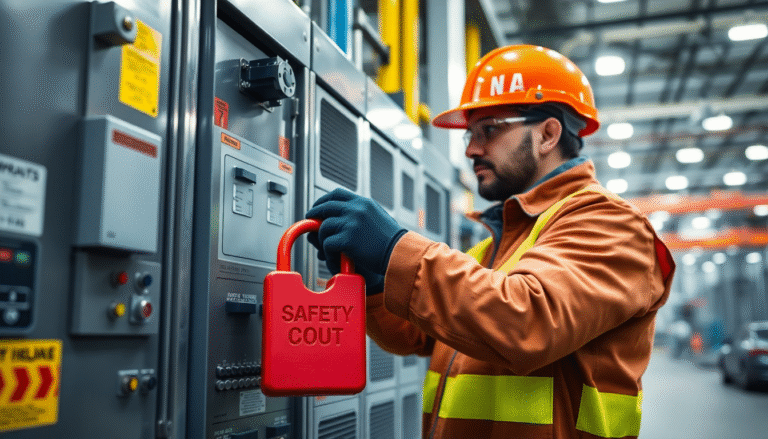
Lockout/tagout (LOTO) procedures remain the gold standard for preventing unexpected energization. Before any maintenance or inspection work, electrical sources must be de-energized, isolated, and locked out at the source. Each authorized worker receives an individual lock, ensuring that equipment cannot be re-energized without their explicit knowledge and participation.
Tagout supplements lockout by providing visual notice of hazardous conditions. Tags clearly explain why equipment is locked out and identify the responsible worker. These procedures are non-negotiable at high-voltage facilities and must be documented in written energy control programs specific to each worksite.
Energy control programs should address multi-source systems, where electricity arrives from multiple directions. Some facilities may require hot work permits even after lockout procedures, acknowledging residual hazards from stored energy in capacitors or large rotating equipment.
Personal Protective Equipment and Equipment Selection
PPE requirements scale with voltage exposure. At high-voltage worksites, insulated tools rated for the specific voltage level are mandatory, not optional. Gloves, sleeves, and face protection must be rated for arc flash hazard categories determined by incident energy calculations. Workers cannot guess which PPE level is adequate.
Proper grounding and bonding equipment prevents accidental contact with live surfaces. Portable grounding devices, grounding straps, and equipotential bonding must be correctly installed before workers approach energized equipment. Regular testing of PPE, particularly insulated gloves and blankets, ensures materials have not degraded and remain effective.
Specialized equipment such as voltage detectors and arc flash meters provides real-time hazard information. These tools must be calibrated regularly and workers trained in their proper use and interpretation.
Emergency Response and Incident Command
High-voltage incidents demand immediate, coordinated response. Facilities must establish clear incident command structures that activate automatically when electrical incidents occur. Chain of command, communication protocols, and role assignments prevent confusion during critical moments when seconds determine outcomes.
First responders at high-voltage facilities require specialized training beyond standard first aid. Personnel must understand that injured workers may still be in contact with live electrical sources and that rescue attempts can expose rescuers to the same hazards. De-energization of the circuit takes priority over immediate victim contact in most scenarios.
Facilities should establish safe rescue zones and equip response teams with insulated rescue tools, stretchers capable of keeping victims isolated from conductive surfaces, and clear pathways for emergency vehicles. Emergency contact lists, including utility control centers and medical facilities equipped to treat severe electrical burns, must be posted and accessible during any incident.
Medical protocols differ for electrical injuries. Cardiac monitoring, airway management, and specialized burn treatment take priority. First aid responders must recognize that electrical injuries often involve internal burns beneath intact skin and that delayed cardiac arrhythmias can occur hours after initial injury.
Training and Competency Verification
Operators and maintenance personnel working at high-voltage facilities must hold current certifications specific to electrical hazards. Training programs should cover hazard recognition, proper use of PPE and tools, lockout procedures, rescue techniques, and incident response. Annual refresher training maintains competency and incorporates lessons learned from incidents within the organization or industry.
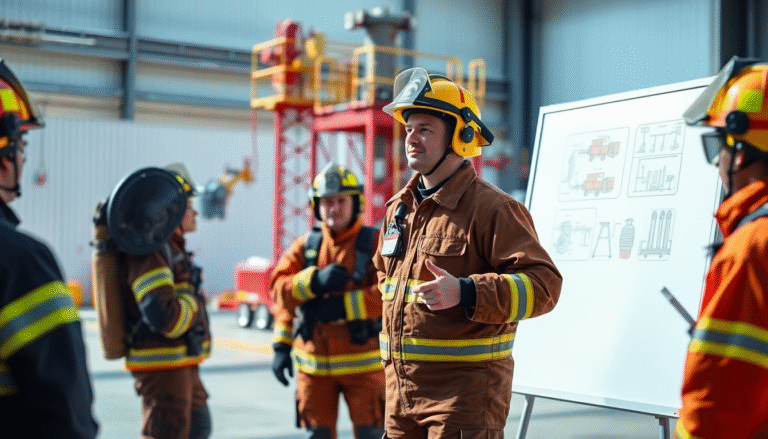
Training should be hands-on where possible, allowing workers to practice equipment operation, lockout procedures, and rescue scenarios under supervision. Competency assessments verify that workers can correctly apply knowledge to actual work situations.
Business Continuity and Risk Reduction
Systematic electrical hazard management protects both workers and operational continuity. Facilities that invest in proper training, equipment maintenance, and emergency response planning experience fewer outages caused by incidents, reduced insurance costs, and maintained workforce confidence. Regular equipment inspections and predictive maintenance identify issues before they become emergencies, keeping facilities running safely.
Organizations should document all incidents, near-misses, and equipment issues. Analysis of these records reveals patterns and informs updates to safety procedures and training priorities. This continuous improvement approach reduces risk over time and demonstrates organizational commitment to worker safety.