
On 19 May 2026, APEXIS Risk Innovation Group hosted the Industrial Resilience Forum in Trinidad and Tobago, bringing renewed focus to one of the most important issues facing industry and national development across the Caribbean: how prepared are our organisations, institutions, and communities to respond when disruption occurs?
The forum created a practical space for discussion around industrial safety, emergency preparedness, business continuity, workforce readiness, risk management, and institutional resilience. It was designed to move the conversation beyond compliance alone and toward a deeper understanding of readiness as a strategic asset.
For APEXIS, the forum represented a continuation of its mission to strengthen Caribbean capability through international-standard training, consultancy, and resilience-building solutions. As a TEEX Cooperative Learning Center serving the English-speaking Caribbean, APEXIS continues to position itself at the centre of regional capacity development in safety, emergency response, and operational preparedness.
Resilience as a Business and National Priority
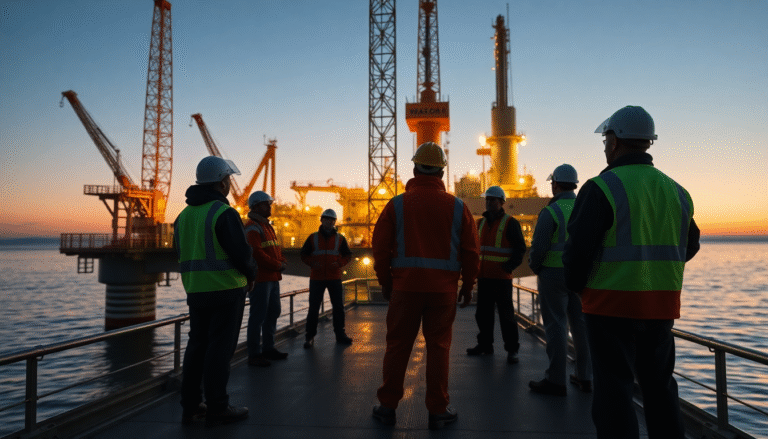
Across the Caribbean, industrial activity is becoming more complex. Energy, manufacturing, construction, logistics, ports, utilities, aviation, and public infrastructure all face increasing pressure to operate safely, efficiently, and continuously.
At the same time, organisations must manage a wider range of risks, including fires, hazardous materials incidents, workplace accidents, cyber disruption, extreme weather events, infrastructure failures, supply-chain interruptions, and operational emergencies.
The central message of the forum was clear: resilience is no longer optional. It is a business requirement, a public safety requirement, and a national development requirement.
Industrial resilience is not only about responding after something goes wrong. It is about building the systems, people, training, leadership, equipment, procedures, and partnerships that reduce risk before incidents occur and allow organisations to recover quickly when they do.
From Compliance to Capability
A key theme coming out of the forum was the need to shift from a narrow compliance mindset to a true capability-building mindset.
Many organisations satisfy minimum safety requirements, but minimum compliance does not always mean real readiness. Effective resilience requires trained personnel, tested emergency plans, clear command structures, practical drills, competent supervisors, and leadership that understands risk as part of business strategy.
The forum highlighted the importance of developing internal capacity across all levels of an organisation. This includes frontline workers, supervisors, safety officers, executive leaders, emergency response teams, and external partners.
When each part of the organisation understands its role before, during, and after an incident, the organisation becomes stronger, safer, and more reliable.
Strengthening Caribbean Emergency and Industrial Response
The Caribbean faces unique resilience challenges. Many territories operate with limited specialised resources, small response teams, high exposure to natural hazards, and dependence on critical infrastructure that must remain operational during emergencies.
This makes regional capacity-building especially important.
The forum reinforced the need for industries and public agencies to work more closely together. Emergency response cannot be treated as the responsibility of one department or one agency alone. Industrial incidents often require coordination between companies, fire services, emergency medical teams, utilities, regulators, security teams, environmental agencies, and community stakeholders.
By bringing these conversations into a single forum, APEXIS helped advance a more joined-up approach to industrial preparedness and regional resilience.
The Role of Training and Leadership
Training was one of the strongest points of emphasis throughout the forum.
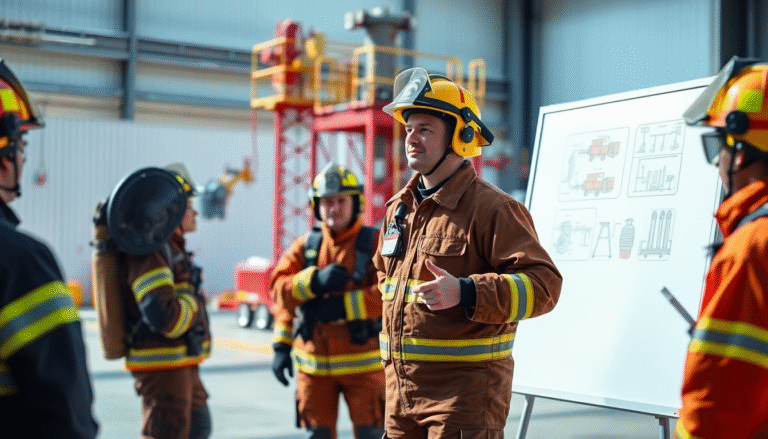
Modern industrial risk requires more than awareness sessions. It requires practical, scenario-based training that prepares people to act with confidence under pressure. This includes industrial firefighting, hazardous materials response, incident command, emergency operations centre readiness, occupational safety, crisis leadership, evacuation planning, business continuity, and post-incident recovery.
Leadership is equally important. In a crisis, unclear decision-making can increase risk, delay response, and create confusion. Organisations therefore need leaders who understand both the technical and human sides of emergency management.
The forum helped position training not as a cost, but as an investment in continuity, confidence, and long-term organisational strength.
Building Safer, More Resilient Organisations
For APEXIS Risk Innovation Group, the Industrial Resilience Forum was also about helping organisations think ahead.
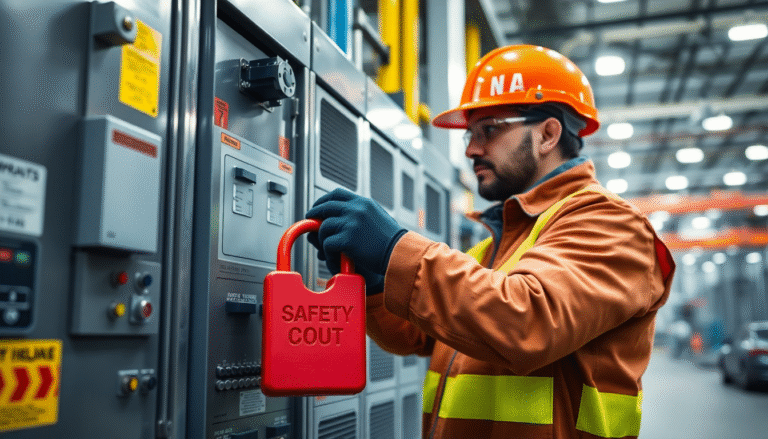
Resilience cannot be built only after a major incident. It must be designed into the way organisations operate. This means reviewing emergency response plans, strengthening business continuity systems, conducting realistic drills, training internal teams, assessing risks across sites, and ensuring that safety systems are not simply written policies, but living practices.
The forum encouraged organisations to ask serious questions:
- Are our emergency plans current and tested?
- Do our people know what to do in a crisis?
- Are our supervisors trained to lead under pressure?
- Can we continue operations after a major disruption?
- Are we relying too heavily on external response without building internal competence?
- Do we have the right partnerships in place before an incident happens?
These are the kinds of questions that move organisations from basic preparedness to real resilience.
A Platform for Continued Action
The Industrial Resilience Forum was not intended to be a one-time conversation. It was a platform for continued action, collaboration, and capacity development across Trinidad and Tobago and the wider Caribbean.
APEXIS intends to build on the momentum of the forum by continuing to support organisations through training, consultancy, technical engagement, and resilience-focused programmes. The goal is to help public and private sector organisations strengthen their readiness, reduce operational risk, and develop teams that are prepared for real-world challenges.
As industries evolve and risks become more complex, the Caribbean must continue investing in its own people, systems, and institutions.
The 19 May 2026 Industrial Resilience Forum made one point especially clear: the future belongs to organisations that prepare before they are tested.
APEXIS Risk Innovation Group remains committed to building capacity, strengthening communities, and elevating safety across the Caribbean.