
Why Confined Spaces Demand Different Hazmat Protocols
A chemical spill in a storage tank, pipeline vault, or hold space is not the same as the same spill in an open yard. Confined spaces create multiple hazards that stack on top of each other. Poor ventilation traps vapors. Limited access points restrict escape routes and rescue. Oxygen-deficient atmospheres emerge without warning. An untrained responder can become a casualty themselves.
Industrial facilities across energy, utilities, chemical manufacturing, and heavy construction routinely store and transport hazardous materials in confined spaces. When leaks occur, the stakes are immediate and severe. Generic hazmat training often assumes adequate ventilation and space to move. Confined-space incidents require a different mental model and a different set of procedures.
The Case for Dual Certification
A dual-certification approach pairs two mandatory skill domains:
- HAZWOPER (Hazardous Waste Operations and Emergency Response) covers material identification, exposure control, decontamination, and incident command integration for hazardous substance response.
- Confined-Space Entry and Rescue Certification addresses atmospheric monitoring, permit requirements, rescue equipment, and safe entry/exit protocols specific to restricted environments.
Together, they create responders who understand both what substance they are working with and how the physical environment changes the response. A responder trained in only hazmat may know chemical properties but fail to recognize atmospheric hazards. A responder trained only in confined spaces may miss the chemical danger altogether.
Key Competencies in the Dual Model
Responders holding both credentials must demonstrate:
- Atmospheric testing and monitoring in confined spaces before, during, and after entry
- Selection and use of appropriate personal protective equipment (PPE) for both chemical and atmospheric hazards
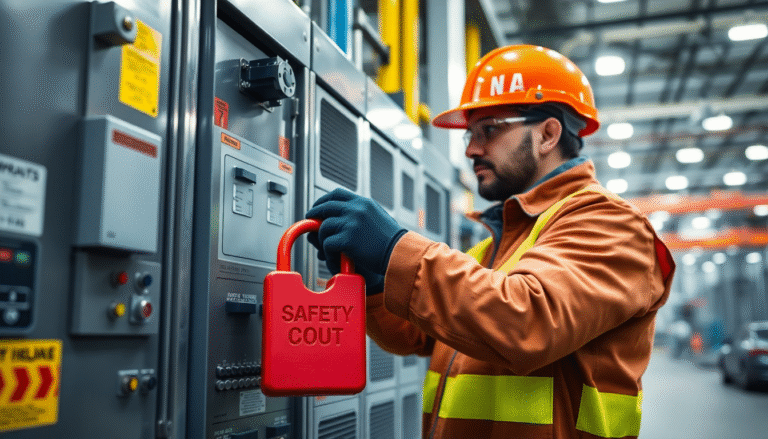
- Permit systems and lockout/tagout (LOTO) procedures to prevent sudden release or re-entry
- Coordination with incident command when spill response intersects with rescue operations
- Decontamination procedures scaled to confined-space logistics
- Non-entry rescue techniques to avoid exposing additional personnel
Real-World Scenarios
Consider a refinery storage tank leak. The hydrocarbon vapor is the chemical hazard. The confined space inside the tank creates oxygen depletion and unknown atmospheric composition. A single-certified responder (HAZWOPER only) might don supplied-air equipment and enter to patch the leak, unaware that oxygen levels have shifted and the air supply line could be compromised. A single-certified responder (confined space only) might follow all atmospheric protocols but lack the knowledge to identify what chemical is present and how it reacts under pressure.
The dual-certified responder recognizes the hydrocarbon as the spill source, verifies atmospheric conditions with multi-gas detection, uses supplied-air breathing apparatus, ensures a rescue team is positioned outside, and coordinates with the incident commander before any entry occurs. The response is faster and safer.
Curriculum Integration and Practical Training
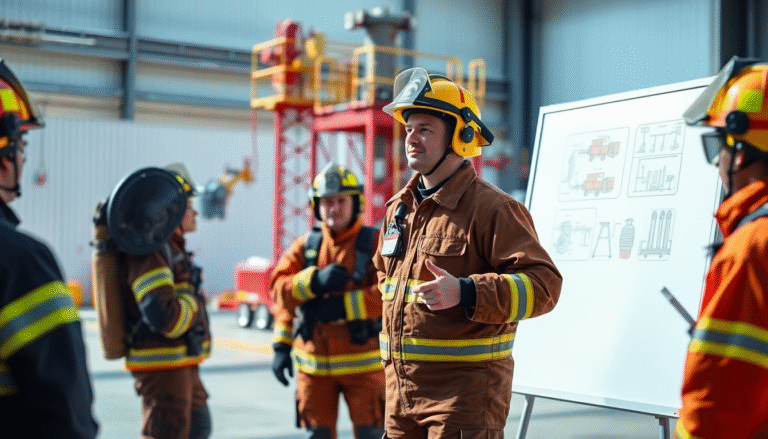
Effective dual-certification programs do not simply stack two independent courses. They integrate scenario-based exercises that combine hazmat identification with confined-space entry challenges. Responders practice decontamination inside equipment trailers. They conduct atmospheric monitoring while wearing full protective suits. They simulate rescue extraction when a team member is overcome by chemical vapor.
Organizations offering TEEX-linked or regionally accredited training can embed dual certification into their emergency response curriculum, ensuring responders meet both OSHA standards and industry expectations. This approach also builds workforce capacity and organizational credibility, particularly in facilities where confined-space hazmat incidents pose genuine operational and legal risk.
Implementation in Your Organization
If your operation handles hazardous materials in tanks, vaults, vessels, or enclosed structures, dual certification should be part of your emergency response readiness plan. Audit current responder credentials against both HAZWOPER and confined-space standards. Identify gaps. Budget for combined or sequential training. Document competency verification and renewal schedules.
A single incident in a confined space can result in fatalities, environmental liability, and regulatory fines. Investment in dual certification is investment in responder safety and organizational resilience. It also signals to regulators and insurers that your facility takes the intersection of these hazards seriously.
Next Steps
Contact your regional training provider to explore integrated HAZWOPER and confined-space certification pathways. Confirm that instructors hold active credentials in both domains and that the program includes hands-on exercises with real atmospheric monitoring equipment and PPE. Verify alignment with NFPA standards and local occupational health and safety requirements. Then schedule your responders before the next close call becomes a real emergency.